

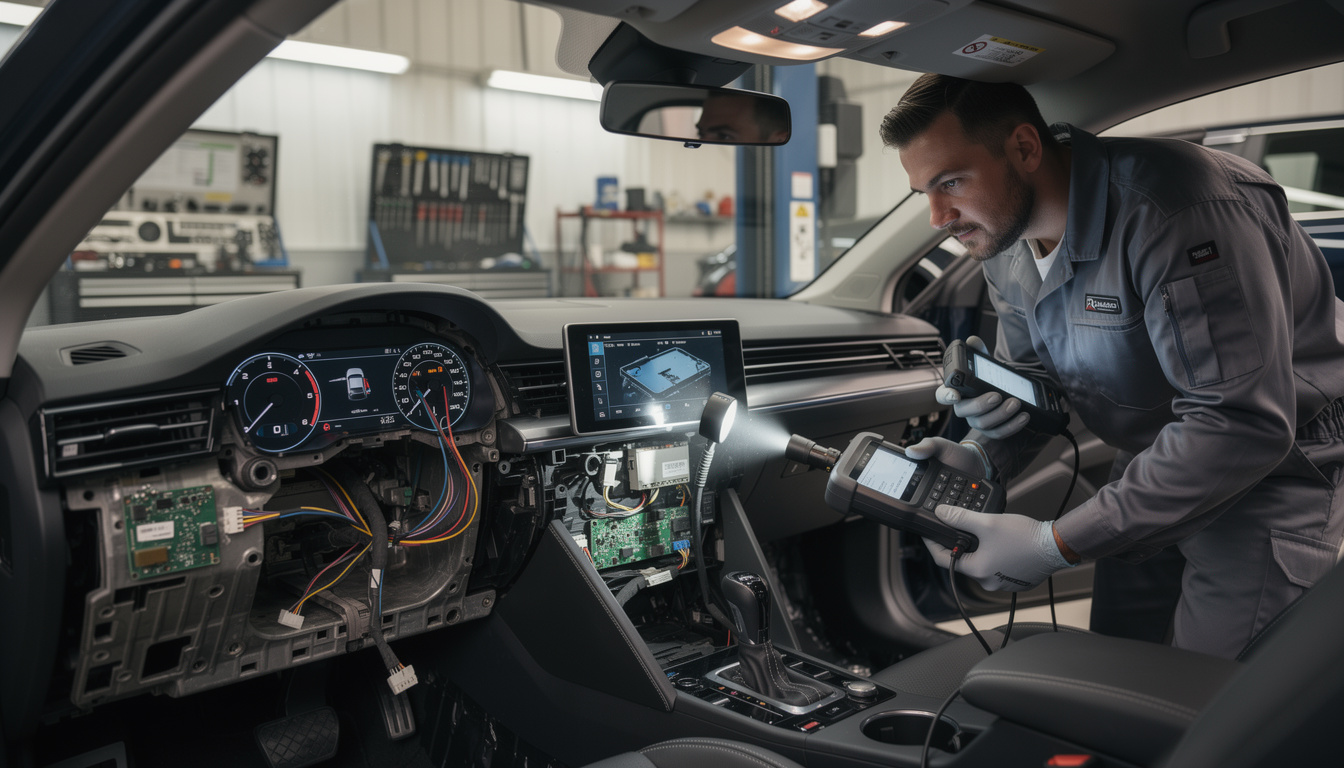
Touchscreens, digital clusters, and driver-assist alerts have turned the high-tech dashboard into a core safety system, not a luxury. When it fails, you do not lose a radio screen, you lose speed, warnings, cameras, and controls tied to vehicle electronics. The problem is simple: dashboard repairs often look like “electronics,” while most drivers think of insurance as “body damage.” The result is confusion at claim time and surprise car repair costs. If you want clear answers, focus on the cause of the damage, not the price of the screen.
This guide explains when comprehensive auto insurance tends to respond to electronic dashboard damage, when it does not, and how an auto insurance policy usually separates comprehensive events from collisions. To keep it practical, you will follow one driver, Mia, who owns a 2023 SUV with a curved display and ADAS alerts. Her cases mirror what adjusters see every week, from theft to storm damage. Once you understand the triggers, you can align your insurance coverage with modern automotive technology and avoid preventable claim disputes.
Does comprehensive auto insurance cover high-tech dashboard repairs?
Comprehensive auto insurance often covers high-tech dashboard and dashboard repairs when the damage comes from a non-collision event, such as theft, vandalism, fire, falling objects, storm damage, or glass-related incidents. The key is the “why it broke,” not “what it costs.” If the event fits comprehensive, your insurance coverage typically applies after you pay your deductible.
If the dashboard fails due to wear, a software bug, poor installation, or a dead internal component, comprehensive coverage usually does not apply. Those issues fall under maintenance, warranty, recall work, or a separate product protection plan. For Mia, the adjuster cared less about her screen’s price and more about whether the screen was damaged by a covered event. That cause test decides most insurance claims.
Comprehensive auto insurance vs collision for electronic dashboard damage
Drivers mix up comprehensive and collision because both pay to fix your car, but they trigger on different events. Collision focuses on impact with another vehicle or an object, even if nobody else is involved. Comprehensive focuses on damage from events outside driving impact, like theft or hail.
Mia learned this fast. A deer ran across the road, she swerved, and hit a guardrail. The shattered display and broken mounts were treated as collision, even though the deer started the situation. If the deer hit the car and the impact cracked the cluster, insurers often route that as comprehensive, and the same high-tech dashboard damage lands in a different bucket. The event type controls the claim path and your deductible.
If you want a deeper view of why comprehensive auto insurance matters for modern losses, read why comprehensive auto insurance is worth it. It helps you compare risk in your area with the cost of full protection.
Which comprehensive auto insurance events lead to dashboard repairs?
Most dashboard repairs paid under comprehensive auto insurance trace back to a short list of causes. These are common because dashboards sit near glass, wiring runs through the cabin, and thieves target integrated screens. When one component fails, linked vehicle electronics often fail with it.
Here are practical triggers that often support insurance claims for electronic dashboard damage under comprehensive:
- Theft: stolen infotainment unit, stolen digital cluster, or stolen steering wheel airbag damaging the dash.
- Vandalism: broken screen, slashed wiring behind trim, damage during an attempted theft.
- Falling objects: a garage item drops onto the dash through an open door, cracking the display.
- Fire: cabin smoke and heat warping the screen, melting connectors, damaging sensors.
- Severe weather: hail breaking glass, water intrusion shorting vehicle electronics.
- Glass damage chain: a shattered windshield sends debris into the high-tech dashboard housing.
Notice what is missing: firmware updates, slow touch response, and random warning lights with no physical cause. Those issues raise car repair costs, but they rarely match a covered comprehensive event. Cause always comes first.
High-tech dashboard repairs after theft or vandalism under comprehensive auto insurance
Theft claims drive many high-tech dashboard repairs because integrated screens resell quickly and thieves move fast. In Mia’s city, her parked SUV was broken into, and the infotainment screen was ripped out. The dash bezel snapped, wiring harnesses were torn, and the airbags light stayed on due to damaged connectors.
This is the type of incident where comprehensive auto insurance often applies cleanly. The adjuster asks for photos, a police report, and an estimate from a shop familiar with automotive technology. The insurer then decides whether to pay for OEM parts, aftermarket equivalents, or a mix, based on the auto insurance policy. The result hinges on documentation, not arguments.
If you want to control your total car repair costs beyond one claim, see car insurance costs strategies for practical ways to manage deductibles, payment structure, and coverage choices.
Storm, water, and fire: comprehensive auto insurance and vehicle electronics risk
Water is brutal for vehicle electronics because it travels through connectors and causes corrosion days after the storm. A windshield leak or floodwater can knock out a digital cluster, the head unit, and the driver-assist warning system in one event. People call it “electronics failure,” but the cause is environmental, so comprehensive often fits.
Fire claims also tie into dashboards because heat warps plastics and destroys circuits fast. Even when flames never touch the dash, smoke and heat can damage connectors and sensors behind the panel. Mia’s neighbor had a small engine-bay fire, and the insurer still paid for interior diagnostics because the fault codes pointed to heat-related damage. With modern automotive technology, insurers focus on scan results plus visible damage to support insurance coverage.
What comprehensive auto insurance usually excludes for dashboard repairs
It is tempting to file insurance claims for a blank screen, but comprehensive is not a warranty. Most policies exclude mechanical or electrical breakdown, wear, and maintenance. If your high-tech dashboard stops working after years of use with no covered event, comprehensive coverage is not the tool.
Common exclusions tied to dashboard repairs include normal wear, a drained battery causing system resets, faulty aftermarket wiring, and damage tied to racing or illegal use. Custom equipment is also tricky. If you installed a premium head unit or added aftermarket screens, your auto insurance policy often needs an endorsement to insure that added value. The insight is simple: insurance is event-based, not performance-based.
Deductibles and car repair costs for high-tech dashboard repairs
Your deductible drives what you pay out of pocket, even with strong insurance coverage. Comprehensive deductibles often range from $250 to $1,000. A higher deductible lowers premiums, but it also increases the cash you need when the high-tech dashboard is damaged.
Dashboard work often bundles parts, programming, calibration, and diagnostics. A modern display replacement can include ADAS recalibration, steering angle sensor checks, and camera alignment, all of which add to car repair costs. Mia chose a $500 deductible, and it made sense after her theft claim because the total bill was high. The takeaway is direct: set your deductible based on what you can pay within 24 hours of a loss.
How to file insurance claims for electronic dashboard damage
A clean claim starts before you call your insurer. Take photos from multiple angles and capture both the broken part and the surrounding area, especially glass and entry damage. If theft or vandalism is involved, get a police report number since many carriers request it for comprehensive insurance claims.
Then contact your insurer through the app, portal, or phone line and describe the cause in one sentence. Example: “My windshield was smashed overnight and glass damaged the digital cluster,” not “My screen stopped working.” Ask whether the carrier wants a shop estimate first or an adjuster inspection. This order matters because it reduces delays for dashboard repairs tied to vehicle electronics.
Choosing an auto insurance policy for automotive technology dashboards
If your vehicle depends on a digital cluster for speed and warning alerts, treat it as a safety system. Pair comprehensive auto insurance with collision for the broadest protection, then review add-ons that match your driving. Rental reimbursement helps when parts are backordered, and extended glass coverage helps when windshield damage triggers electronic dashboard damage.
Also check claim handling and repair network quality. Some carriers steer you to preferred shops experienced with automotive technology, which matters for programming and calibration. If you are shopping, start with transparent comparisons like car insurance quotes, then confirm how the insurer handles OEM parts, diagnostics, and recalibration labor. Your goal is fewer surprises when your high-tech dashboard becomes a claim.
Our opinion
Comprehensive auto insurance is a practical answer to modern risk because the high-tech dashboard is no longer separate from the car. It is tied to cameras, warnings, and core controls, so dashboard repairs often become safety repairs. You protect yourself by matching your insurance coverage to the real threats: theft, vandalism, storm damage, and glass events.
The strongest habit is to read your auto insurance policy like a checklist for vehicle electronics. Ask one question each renewal: “If the dashboard fails tomorrow, what causes are covered?” If you have a recent claim story or a question about insurance claims for electronic dashboard damage, share it and compare notes with other drivers.
Does comprehensive auto insurance cover a high-tech dashboard that stops working with no damage?
Comprehensive auto insurance usually does not cover a high-tech dashboard failure with no covered event. Dashboard repairs from wear, defects, or software issues often fall outside insurance coverage and fit warranty or maintenance instead.
Does comprehensive auto insurance cover dashboard repairs after theft of the infotainment screen?
Comprehensive auto insurance often covers dashboard repairs after theft because theft is a standard comprehensive event. Your insurance coverage usually applies after the deductible, and the insurer often requests photos and a police report for insurance claims.
Does comprehensive auto insurance cover electronic dashboard damage from a broken windshield?
Comprehensive auto insurance often covers electronic dashboard damage linked to glass damage, such as debris or water intrusion after a windshield break. The insurance claim succeeds when the cause is documented and tied to the covered event in your auto insurance policy.
How do deductibles affect car repair costs for high-tech dashboard repairs under comprehensive auto insurance?
Your deductible is the amount you pay before comprehensive auto insurance pays the rest of covered dashboard repairs. A higher deductible lowers premiums but raises your out-of-pocket car repair costs when vehicle electronics are damaged.
Will filing insurance claims for dashboard repairs raise my rate with comprehensive auto insurance?
Insurance claims under comprehensive auto insurance often affect pricing less than collision claims because they involve events outside your control. Repeated comprehensive claims for high-tech dashboard damage can still influence your insurance coverage pricing, depending on your insurer and area risk.