

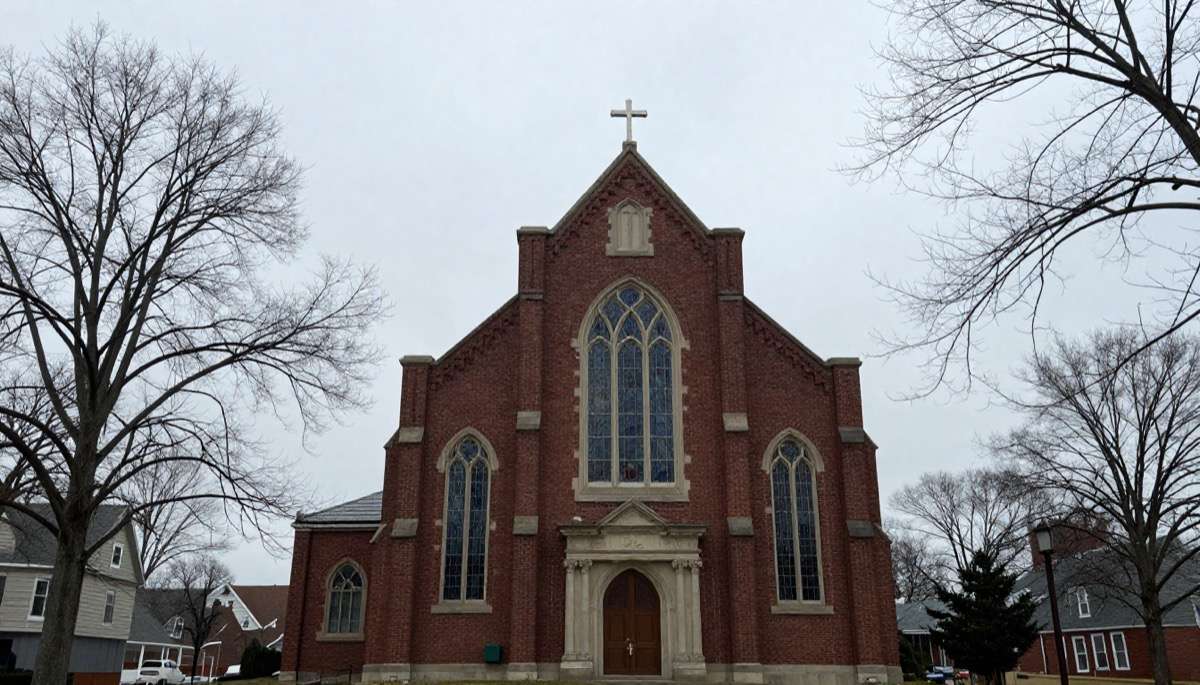
In the realm of non-profit management, faith-based organizations occupy a unique “high-risk” category that standard commercial underwriters often struggle to quantify. For an Ohio church, a sanctuary is never just a building—it is a community center, a counseling clinic, a youth hub, and a historical landmark.
When a ministry fails to secure precise Church Insurance, they aren’t just risking their balance sheet; they are risking their ability to serve their calling. Navigating the complexities of Church Insurance in Ohio requires a shift from “buying a policy” to “building a shield.”
1. Deconstructing the “Commercial General Liability” Myth
The most significant error a church board can make is assuming that a standard business policy offers an “umbrella” of safety. Traditional business insurance is designed for profit-driven entities with closed doors after 5:00 PM.
Ministries operate differently. They are built on radical hospitality, which inherently increases liability. Comprehensive Church Insurance must fill the gaps where standard policies fail:
- Emotional & Spiritual Injury: While a business might be sued for physical injury, a church faces the risk of “spiritual malpractice.” Counseling sessions, even when conducted by non-licensed clergy, require specific professional liability endorsements.
- The “Open Door” Liability: Churches often host external groups (AA meetings, community polls, or neighborhood associations). Without the right language in your policy, an accident involving a non-member could lead to a catastrophic out-of-pocket settlement.
2. Regional Risk Factors: The Ohio Landscape
The Midwest presents a specific set of environmental and legal variables. Selecting Church Insurance in Ohio means accounting for the “Rust Belt” reality of aging infrastructure and volatile weather.
The “Freezing & Thawing” Cycle
Ohio’s transition from humid summers to sub-zero winters creates a unique strain on masonry and plumbing. Historic stone churches in cities like Dayton or Toledo are susceptible to “spalling” and pipe bursts that can go unnoticed during the week, leading to massive mold or water damage claims.
Wind and Hail Vulnerability
Ohio sits in a transitional zone for severe thunderstorms. For a church with a large surface area of stained glass or custom slate roofing, a single hailstorm can cause six-figure damages. Specialized Church Insurance ensures that these aesthetic and structural treasures are insured at “functional replacement cost,” rather than just their raw material value.
3. Safeguarding the “Human Assets”
Beyond the brick and mortar, the true vulnerability of any ministry lies in its people. Effective risk management in Ohio involves protecting three distinct groups:
The Vulnerable (Children and Seniors)
Implementing a “Safe Sanctuary” policy is no longer optional; it is a prerequisite for obtaining quality Church Insurance in Ohio. Insurers now look for robust “Sexual Misconduct and Molestation” coverage, which provides legal defense and victim support. Without this, a single allegation can bankrupt a century-old institution.
The Leadership (Elders and Deacons)
Many church leaders are unaware that they can be held personally liable for “wrongful acts” in their capacity as board members. Whether it’s a dispute over an employee termination or the mismanagement of a building fund, Directors and Officers (D&O) Liability is the barrier between a church lawsuit and a leader’s personal bank account.
The Volunteers
In Ohio, the “Good Samaritan” laws provide some protection, but they aren’t a substitute for insurance. If a volunteer driving a “meal-on-wheels” route for the church gets into a collision, the church’s Church Insurance needs to have Hired and Non-Owned Auto coverage to pick up where the volunteer’s personal policy ends.
4. The Digital Frontier: Cyber Stewardship
As Ohio churches move toward “cashless” tithing and cloud-based member directories, they become prime targets for social engineering and ransomware. A modern policy for Church Insurance in Ohio must include a cyber-liability component to protect the congregation’s financial integrity and privacy.
5. Strategic Steps for Church Boards
If your ministry is currently auditing its coverage, consider this three-step framework:
- Inventory the Irreplaceable: Identify stained glass, organs, and artifacts. Ensure they are scheduled separately on your property policy.
- Audit Your Outreach: List every activity that happens in your building that isn’t a Sunday service. Does your current Church Insurance specifically mention these ministries?
- Localize Your Advice: Partner with an agency that understands the specific legal climate and building codes of the Buckeye State. Finding the right Church Insurance in Ohio is about more than a premium—it’s about having an advocate who knows your community.
Conclusion: Protection as an Act of Worship
Ultimately, insurance is a tool of sustainability. By mitigating the risks of fire, storm, and litigation, church leaders are ensuring that their sanctuary remains a place of peace rather than a source of financial stress. In Ohio, where community needs are high and the weather is unpredictable, comprehensive protection is the highest form of stewardship.
Church Insurance FAQ:
1. Why can’t we just use a standard business insurance policy?
Standard business policies are designed for for-profit entities with predictable hours. They often exclude critical ministry-specific risks like pastoral counseling liability, religious liberty defense, and sexual misconduct coverage. Dedicated Church Insurance is built specifically to handle the “open door” nature of a non-profit ministry.
2. Does our property coverage account for Ohio’s weather extremes?
It should, but you must verify. In Ohio, policies need to account for heavy snow-load collapses (common in Northern Ohio) and wind/hail damage (common statewide). It is vital to ensure your policy uses “Replacement Cost” rather than “Actual Cash Value” so you can truly rebuild after a storm.
3. Are our volunteers covered under our general liability?
By default, some policies only cover paid employees. Because Ohio ministries rely heavily on volunteers, you should confirm your Church Insurance in Ohio includes a “Volunteer as Insured” endorsement. This protects your members from personal lawsuits resulting from their service at the church.
4. What is Pastoral Professional Liability?
This is a specialized coverage for clergy. It protects the pastor and the church if a congregant alleges that spiritual advice or counseling led to emotional distress or other damages. Standard liability does not cover “professional advice,” making this an essential add-on for any active ministry.
5. We have an old, historic building. How do we insure it properly?
Historic sanctuaries often feature irreplaceable stained glass, pipe organs, and custom woodwork. You should seek a policy with an “Ordinance or Law” endorsement, which covers the extra cost of bringing an older building up to modern Ohio building codes after a loss.
6. Does church insurance cover our mid-week daycare or preschool?
Many Church Insurance providers offer riders for “Childcare Liability.” However, this usually requires the church to follow strict safety protocols, such as background checks and “two-adult” rules for every classroom.
7. What is Directors and Officers (D&O) insurance?
D&O insurance protects the personal assets of your church board, elders, or deacons. If the leadership is sued over a financial decision, an employment dispute, or a governance issue, this coverage pays for their legal defense.
8. Does our policy cover “hired and non-owned” vehicles?
If a volunteer uses their personal car to pick up supplies or take youth to an event, the church can be held liable in an accident. Church Insurance in Ohio typically includes “Hired and Non-Owned Auto” coverage to protect the ministry in these scenarios.
9. How do we protect against “Cyber Crime” and online theft?
With the rise of online giving in Ohio churches, cyber-attacks are a real threat. Cyber Liability coverage helps the church recover data and notifies donors if their financial information is ever compromised by a breach or ransomware.
10. How often should our church leadership review our policy?
At a minimum, you should conduct a full review annually. However, if you start a new outreach program, renovate your building, or see a significant increase in your congregation size, you should contact your agent immediately to adjust your Church Insurance limits.