

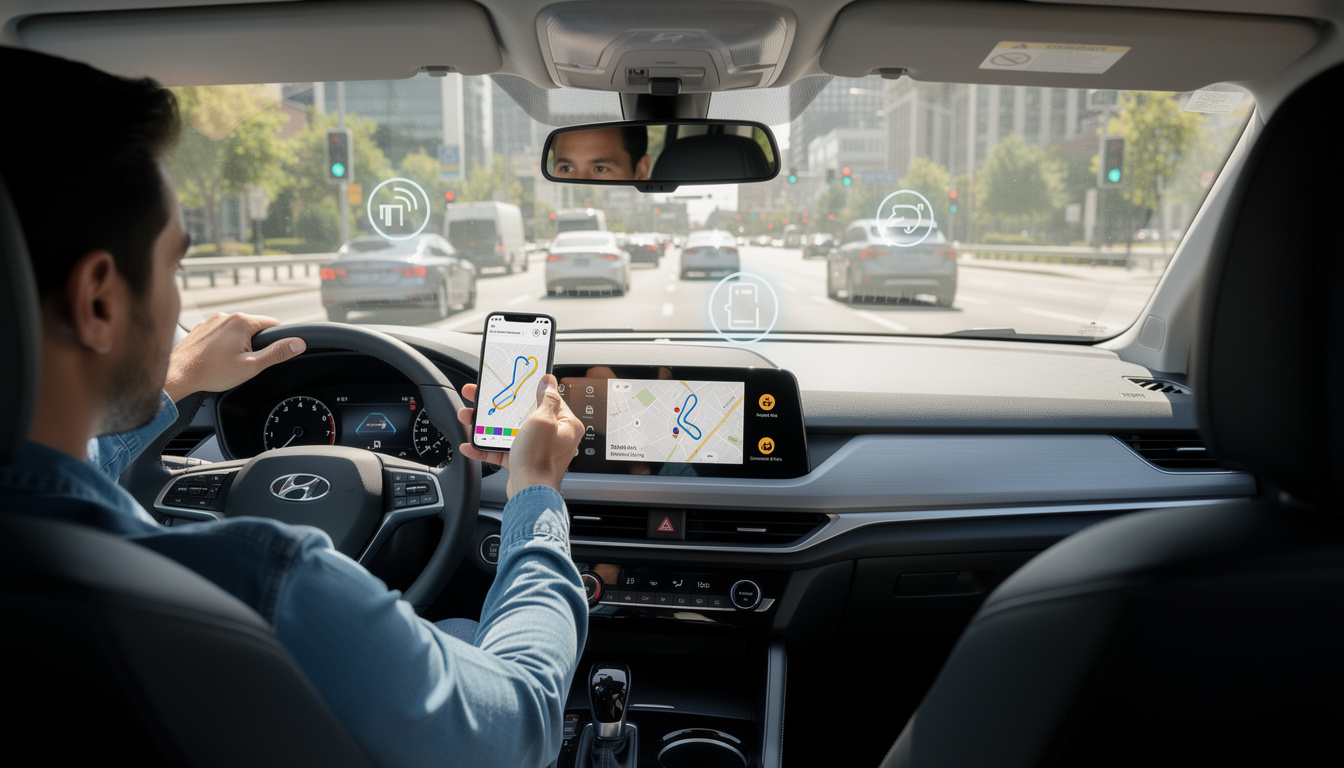
Auto insurance pricing keeps shifting toward what you do on the road, not what your profile suggests. In 2026, Telematics and Pay-How-You-Drive apps sit at the center of that change, because they tie Insurance Rates to measurable Driving Behavior such as braking, speed consistency, mileage, and time of day. If you drive fewer miles, avoid late-night trips, and keep stops smooth, you hold real leverage. If your routine includes long commutes or frequent night driving, the same tracking can shrink your Cost Savings or erase Premium Discounts.
At InsuranceProFinder, we see the same pattern when readers compare renewal quotes. Traditional rating still leans on age, ZIP code, and claims history, yet Usage-Based Insurance adds a second layer: your ongoing risk signals. Think of it as a scoreboard you influence every week. One reader, “Maya,” switched to a Vehicle Tracking app after a rate hike, then changed two habits: phone stayed in the glovebox and she stopped rushing yellow lights. Her insurer’s next renewal reflected a lower score risk, not a promise. The takeaway is simple: if you want lower Insurance Rates, you need a program that measures you, and a routine that helps you win.
How Telematics and Pay-How-You-Drive Apps Lower Insurance Rates
Telematics works through an app, a plug-in device, or built-in car systems, and it sends trip data to your insurer. The insurer converts those trips into a driving score, then applies it at renewal to shape Insurance Rates. The argument for this model is fairness: pricing based on exposure and choices, not averages you cannot control.
Pay-How-You-Drive is where the focus shifts from distance alone to style. Smooth acceleration, steady speed, and fewer hard stops usually signal stronger Driver Safety. When your score improves, your Premium Discounts tend to grow, and that is where the Cost Savings show up.
Step one is data capture during trips. Vehicle Tracking systems typically record speed patterns, braking intensity, acceleration, mileage, and time of day, and some app programs detect phone interaction while the car is moving. This matters because insurers treat distracted driving as a risk marker tied to claims frequency.
Step two is transmission and scoring. Data uploads through cellular or app sync, then underwriting models translate it into a risk score. The insight is practical: one bad trip rarely defines you, but repeated patterns do, and repetition is what moves Insurance Rates.
What Driving Behavior Pay-How-You-Drive Apps Track for Premium Discounts
Most Pay-How-You-Drive programs reward predictable, calm driving. Insurers care about signals that correlate with losses, so they focus on behaviors linked to crash likelihood and severity. You should assume your Driving Behavior is compared across many trips, not judged on a single commute.
Programs differ, but the common scoring inputs stay consistent across the market. The core point is accountability: if your habits are safe, Telematics gives you a way to prove it and earn Premium Discounts.
Key Driving Behavior signals tied to Insurance Rates
Insurers often score braking and acceleration because they show following distance and anticipation. They also look at speeding, mileage, and late-night driving because they reflect risk exposure. App-based Vehicle Tracking sometimes adds phone handling, which directly connects to Driver Safety.
- Speed consistency: frequent spikes suggest aggressive driving and raise risk scoring.
- Hard braking: repeated harsh stops point to tailgating or distraction.
- Rapid acceleration: linked to risky gaps and higher claim severity.
- Mileage: more miles usually means more exposure, which affects Insurance Rates.
- Time of day: night driving often scores worse due to crash statistics in many models.
- Phone interaction: when tracked, it strongly influences Premium Discounts outcomes.
If you want results, treat the list as a training plan, not trivia. Your score follows your routine.
Usage-Based Insurance Cost Savings in 2026: realistic ranges and who wins
Most Usage-Based Insurance programs advertise broad savings, yet real outcomes depend on your baseline price and your trip patterns. In practice, many safe drivers see Cost Savings in the single digits up to the mid range, while the best fits land higher when mileage stays low and habits stay consistent. A commonly reported span across the industry sits around 5% to 30% in discounts, with larger results tied to clean, low-risk profiles and steady driving scores.
Maya’s example shows why: she already had a clean record, so the score mostly reflected exposure and phone handling. After three months of consistent trips, her renewal improved because her data supported lower risk than her ZIP code trend suggested. The key insight is blunt: Telematics helps you most when traditional averages overprice you.
Who gets the best Insurance Rates from Pay-How-You-Drive
Low-mileage drivers often win because mileage is easy for models to price. Remote workers, retirees, and households with a second car frequently see stronger Premium Discounts. The argument is exposure: fewer trips mean fewer chances for a claim.
High-mileage commuters face a harder math problem. Even with calm Driving Behavior, exposure stays high, so the discount ceiling comes sooner. If your routine includes late shifts, expect the time-of-day factor to trim your Cost Savings.
Telematics privacy, data use, and what Vehicle Tracking does not collect
Privacy concerns are valid, and you should demand clarity before you opt in. Many programs collect location, trip timing, and motion data, and app systems can flag phone interaction during drives. Most programs also keep data for a period tied to underwriting and legal needs, often measured in years rather than weeks.
At the same time, there is a line most insurers do not cross. Standard Vehicle Tracking for Usage-Based Insurance does not record your calls, your messages, your contacts, or cabin audio. The practical insight is simple: read the program terms and decide if the trade aligns with your comfort level.
Questions you should ask before joining a Telematics program
Start with ownership and sharing. Some insurers process data through vendors, and policy language defines access and retention. Your goal is control: you want Premium Discounts without surprises.
Use these questions as a checklist for any Pay-How-You-Drive offer tied to Insurance Rates:
- Which Driving Behavior factors drive my score the most in your model?
- Does the program only affect discounts, or can it raise renewal Insurance Rates?
- Who receives my Telematics data, and how long is it stored?
- Is location tracked all the time or only during trips?
- What is the opt-out process, and does opting out remove discounts?
When an insurer answers clearly, you gain leverage. When answers stay vague, you should shop.
How to maximize Premium Discounts with Pay-How-You-Drive apps
Most drivers lose savings through avoidable scoring mistakes. A phone sliding on a seat, a device unplugged for a weekend, or repeated short aggressive merges can pull down your score. If you want Cost Savings, treat the program like a contract tied to your habits.
Maya improved her score without driving less by changing two behaviors. She left earlier to avoid speeding, and she stopped touching her phone while moving. The insight: small routine changes often produce more impact than rare “perfect drives.”
Practical habits linked to lower Insurance Rates
Focus on what scoring models measure most often. Smooth braking and speed control keep showing up because they align with collision risk. Phone silence is critical in app-based Telematics scoring.
- Brake earlier and keep more following distance to reduce hard-stop events.
- Hold steady speeds, especially on arterials where speeding spikes happen.
- Drive fewer miles when possible by bundling errands into one trip.
- Avoid late-night driving if your schedule allows, since it often scores worse.
- Keep your phone out of reach if your program tracks interaction.
If you follow these habits for a full rating period, your Usage-Based Insurance score has time to stabilize and your Insurance Rates reflect the pattern.
Telematics and rate shopping: where to compare Insurance Rates fast
Telematics programs vary, so your best strategy is to compare offers with the same discipline you bring to driving. Start by seeing where your current pricing sits, then weigh the Pay-How-You-Drive terms against your routine. If your insurer had a sharp increase, your leverage often comes from a competing quote paired with a strong driving score.
Use these resources to guide your next step. For baseline comparisons, review car insurance quote comparisons and then cross-check what is driving spikes in your area through why car insurance rates are surging. If you want additional savings levers beyond Premium Discounts, keep a checklist handy with car insurance discount opportunities.
Our opinion
Telematics and Pay-How-You-Drive programs argue for a simple idea: Insurance Rates should reflect Driving Behavior, not broad categories. When the data matches your safe routine, Usage-Based Insurance turns into measurable Cost Savings and consistent Premium Discounts. When the data conflicts with your schedule or privacy preferences, the program turns into friction.
You should treat Vehicle Tracking like any other insurance trade-off. You exchange data for pricing accuracy, and you keep control by reading terms, testing your habits, and comparing offers. If you have results or concerns with Telematics, share your experience and what moved your score, because other drivers base their decision on stories like yours.
How does Telematics lower Insurance Rates in a Pay-How-You-Drive program?
Telematics sends your Driving Behavior data to the insurer, then the Pay-How-You-Drive model converts it into a score used for renewal Insurance Rates and Premium Discounts.
Which Driving Behavior matters most for Telematics Premium Discounts?
Driving Behavior tied to braking, speeding, mileage, and time of day often drives Telematics scoring, so steady speed and smooth stops tend to improve Premium Discounts and Cost Savings.
Does Vehicle Tracking in Usage-Based Insurance record my messages or calls?
Vehicle Tracking for Usage-Based Insurance focuses on trip and Driving Behavior signals like speed and braking. It does not record audio, personal messages, or contact lists, even when Telematics uses an app.
Can Pay-How-You-Drive Telematics increase Insurance Rates?
Some Pay-How-You-Drive programs reduce or remove Premium Discounts when Driving Behavior scores poorly, and certain insurers apply higher renewal Insurance Rates in those cases. You should confirm the rule before enrolling.
What is the simplest way to improve Cost Savings with Telematics in 2026?
For Cost Savings with Telematics, reduce hard braking, avoid phone handling during trips, and cut mileage where possible. These Driving Behavior changes often improve Usage-Based Insurance scoring and protect Premium Discounts.