

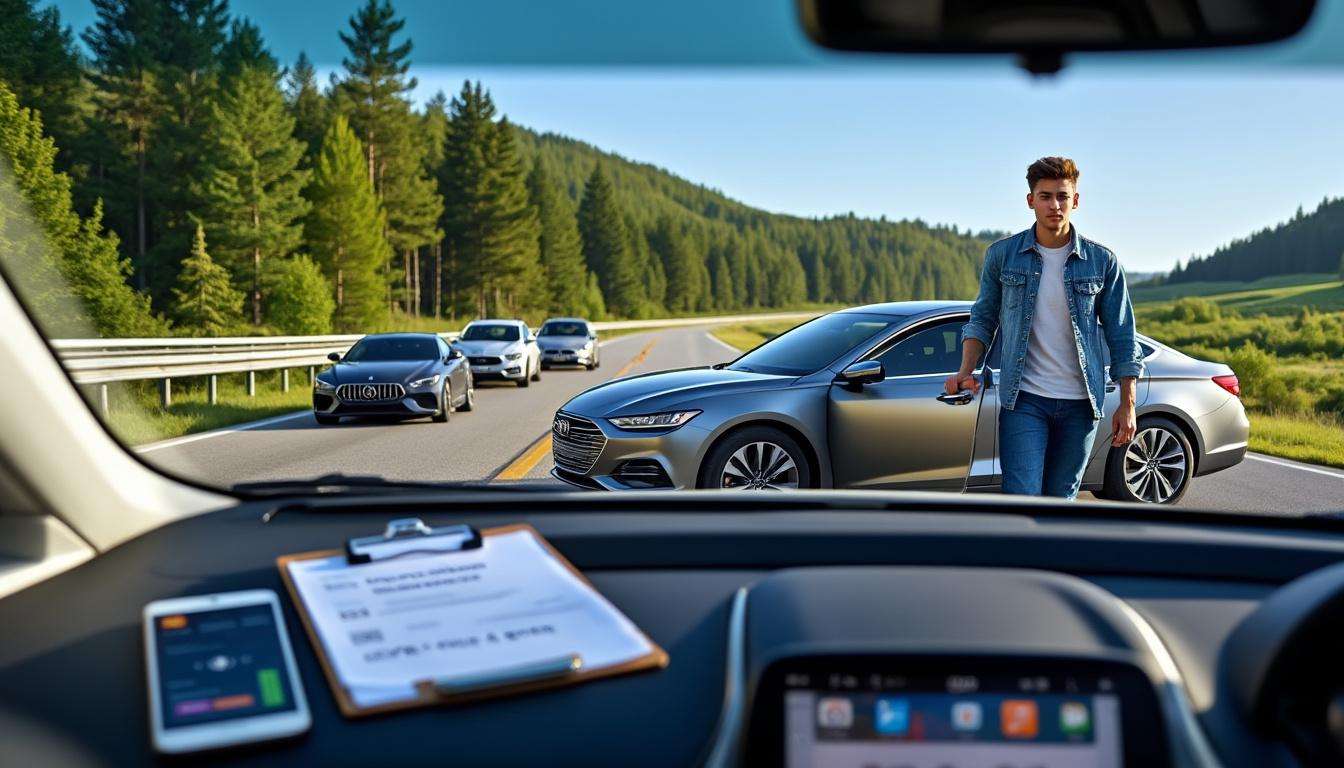
Unlocking the road reveals the top vehicles and insurance strategies for young drivers according to Consumer Reports, helping families reduce risk, control costs, and choose smarter mobility solutions.
Getting a driver’s license is a major milestone, but it also comes with financial and safety challenges. Unlocking the road means understanding which vehicles best protect young drivers and which insurance strategies truly reduce long-term costs. According to Consumer Reports, smart choices at the beginning of a driving journey can significantly lower accident risk and insurance premiums.
For young drivers, the right combination of vehicle safety, reliability, and insurance planning matters more than style or performance. Making informed decisions early builds safer habits and financial stability.
Why young drivers face higher risks on the road
Unlocking the road starts with recognizing why young drivers are considered high risk. Inexperience, slower reaction times, and greater exposure to distractions increase the likelihood of accidents during the first years of driving.
Statistics consistently show that drivers under 25 are involved in more collisions than older age groups. Insurers reflect this risk through higher premiums, especially for new drivers.
Understanding these realities helps families focus on prevention rather than reacting after an accident occurs.
What Consumer Reports looks for in vehicles for young drivers
Unlocking the road relies heavily on vehicle selection. Consumer Reports prioritizes safety, reliability, and ease of control when evaluating cars for young drivers.
Advanced safety features such as automatic emergency braking, lane departure warnings, blind-spot monitoring, and electronic stability control play a key role. Vehicles with strong crash-test ratings and predictable handling significantly reduce injury risk.
Consumer Reports also favors models with proven reliability, as breakdowns and mechanical issues increase stress and unsafe situations on the road.
The importance of choosing the right vehicle size
Unlocking the road also means balancing size and safety. Very small cars may be affordable, but they often provide less protection in collisions. Oversized vehicles, on the other hand, can be harder for inexperienced drivers to control.
Consumer Reports generally recommends compact or midsize vehicles with strong safety scores. These models offer a balance between maneuverability, visibility, and structural protection.
Choosing the right size helps young drivers gain confidence without unnecessary risk.
Why older used cars are not always the best option
Unlocking the road challenges the assumption that any cheap used car is a good starter vehicle. Older models often lack modern safety technology that significantly reduces accident severity.
While used cars remain a smart financial choice, Consumer Reports advises prioritizing newer used vehicles equipped with updated safety systems. A slightly higher purchase price can translate into fewer accidents and lower insurance costs.
Safety features are an investment, not an upgrade.
Insurance basics every young driver should understand
Unlocking the road includes mastering insurance fundamentals. Liability coverage is mandatory, but minimum limits often leave families exposed after serious accidents.
Comprehensive and collision coverage may seem optional, but they protect against theft, vandalism, and vehicle damage. Deductible levels also play a major role in monthly premiums.
Understanding how coverage works prevents costly surprises when claims occur.
Unlocking the road is also about lowering insurance costs without sacrificing protection. Consumer Reports highlights several effective strategies.
Adding a young driver to a family policy is often cheaper than purchasing a standalone plan. Maintaining good grades can unlock student discounts, while defensive driving courses reduce risk profiles.
Choosing a safe vehicle with strong safety ratings directly lowers premiums. Insurance companies reward lower-risk cars.
The role of driving behavior in insurance pricing
Unlocking the road does not stop at vehicle choice. Driving behavior heavily influences insurance costs over time. Accidents, tickets, and claims quickly raise premiums.
Many insurers now offer usage-based insurance programs that track driving habits such as speed, braking, and mileage. Safe driving leads to measurable savings.
For young drivers, consistent safe behavior builds a positive insurance history that pays off long-term.
Comparing vehicles and insurance together
Unlocking the road works best when vehicle and insurance decisions are made together, not separately.
| Decision factor | Vehicle impact | Insurance impact |
|---|---|---|
| Safety features | Lower injury risk | Reduced premiums |
| Repair costs | Faster fixes | Lower claims costs |
| Reliability | Fewer breakdowns | Fewer incidents |
| Vehicle size | Better control | Improved risk profile |
This combined approach leads to smarter, more sustainable choices.
Why safety technology matters more than horsepower
Unlocking the road reframes what makes a “good” first car. Performance and speed increase risk for inexperienced drivers, while safety technology actively prevents accidents.
Consumer Reports consistently warns against prioritizing powerful engines for young drivers. Stability, braking performance, and visibility matter far more.
A slower, safer car builds better driving habits and lowers long-term costs.
Planning ahead for rising insurance costs
Unlocking the road also involves long-term planning. Insurance premiums typically decrease as drivers gain experience, but only if records remain clean.
Accidents in the first years can delay premium reductions for a decade or more. Preventive choices early on protect future affordability.
Thinking ahead transforms driving from a liability into a manageable responsibility.
Our point of view
Unlocking the road is about responsibility, not restriction. For young drivers, the right vehicle and insurance strategy provide freedom without unnecessary risk. Consumer Reports makes it clear that safety, reliability, and smart coverage choices outperform flashy features every time.
The goal is not just to get on the road, but to stay there safely and affordably. Preparation reduces accidents, stress, and financial pressure.