

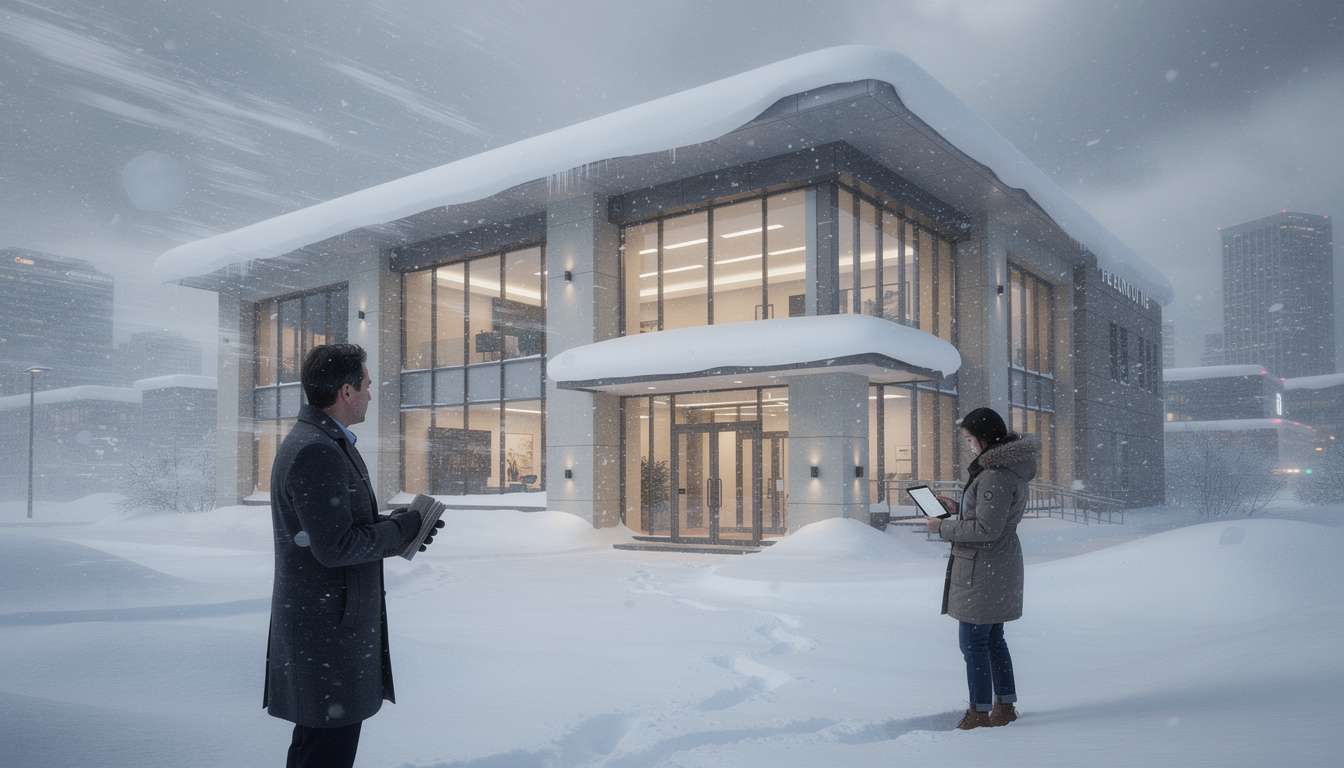
How business insurance protects your company from snow, covering property damage, liability risks, business interruption, and winter weather financial losses.
Snow can be more than a seasonal inconvenience for businesses. Heavy snowfall, ice accumulation, and winter storms create real financial and operational risks. Property damage, business interruptions, employee injuries, and liability claims can quickly add up. Business insurance plays a critical role in protecting companies from the economic impact of snow-related events.
This article explains how business insurance protects your company from snow and why proper coverage is essential for winter risk management.
Why Snow Is a Serious Business Risk
Snow affects businesses across many industries, not just those in cold climates. Roof collapses, frozen pipes, blocked access points, and power outages are common winter-related incidents.
Snow and ice increase the risk of slip-and-fall accidents for employees, customers, and visitors. Even short closures due to unsafe conditions can lead to lost revenue and reputational damage.
For businesses that rely on logistics, deliveries, or foot traffic, snow can disrupt operations with little warning. These risks make winter preparedness a financial necessity rather than a precaution.
Property Insurance Coverage for Snow Damage
Commercial property insurance is the first line of defense against snow-related damage.
Most policies cover physical damage caused by snow, ice, or freezing conditions. This includes roof damage from snow load, water damage from ice dams, and burst pipes caused by freezing temperatures.
Property insurance typically covers buildings, equipment, inventory, and furnishings. Without adequate coverage limits, businesses may face large out-of-pocket repair or replacement costs after a severe snowstorm.
It is important to review policy language carefully, as maintenance-related exclusions can apply if damage is linked to poor upkeep rather than weather conditions.
Business Interruption Insurance During Snow Events
Snowstorms often force businesses to close temporarily. Business interruption insurance helps replace lost income during these periods.
If a covered snow-related event makes your premises unusable, business interruption coverage can compensate for lost revenue and ongoing expenses such as rent, payroll, and utilities.
Some policies also include extra expense coverage, which helps pay for temporary relocation, emergency repairs, or alternative operating arrangements.
This coverage is especially valuable for retail stores, restaurants, manufacturers, and service providers that depend on continuous operations.
Liability Insurance and Snow-Related Injuries
Snow and ice significantly increase liability exposure.
General liability insurance protects businesses if a customer, vendor, or visitor is injured on icy walkways, parking lots, or entrances. Slip-and-fall claims are among the most common winter-related lawsuits.
Without liability coverage, legal fees, medical costs, and settlements can quickly escalate. Even claims that lack merit still generate defense costs.
Businesses are expected to take reasonable steps to mitigate snow and ice hazards. Insurance provides financial protection, but proactive snow removal and safety measures remain essential.
Workers’ Compensation and Winter Accidents
Employees face higher injury risks during snowy conditions, especially those working outdoors or traveling between sites.
Workers’ compensation insurance covers medical expenses, rehabilitation costs, and lost wages if an employee is injured due to snow or ice while performing job-related duties.
This coverage protects both employees and employers by limiting liability and ensuring prompt care after workplace accidents.
Winter safety training and clear procedures can help reduce claims and keep premiums under control.
Commercial Auto Insurance and Snow Hazards
Snow increases the likelihood of vehicle accidents for businesses that operate company vehicles.
Commercial auto insurance covers damage, liability, and medical costs resulting from winter driving incidents. This is critical for delivery services, construction companies, and sales teams that operate on the road year-round.
Proper coverage limits are essential, as winter accidents often involve multiple vehicles and higher claim severity.
Why Reviewing Coverage Before Winter Matters
Not all business insurance policies offer the same level of snow-related protection.
Coverage limits, exclusions, and deductibles vary widely. Businesses should review policies before winter to confirm that snow, ice, and freezing damage are properly covered.
Risk profiles change over time as businesses grow, relocate, or add new equipment. Insurance should evolve accordingly to avoid gaps during high-risk seasons.
Final Thoughts: Snow Protection Starts With the Right Insurance
Snow is a predictable risk with unpredictable consequences. Business insurance provides financial stability when winter weather disrupts operations, damages property, or leads to injury claims.
Understanding how business insurance protects your company from snow allows you to prepare effectively, minimize losses, and recover faster after severe weather events.
The right coverage does not eliminate snow, but it ensures your business can withstand it.