

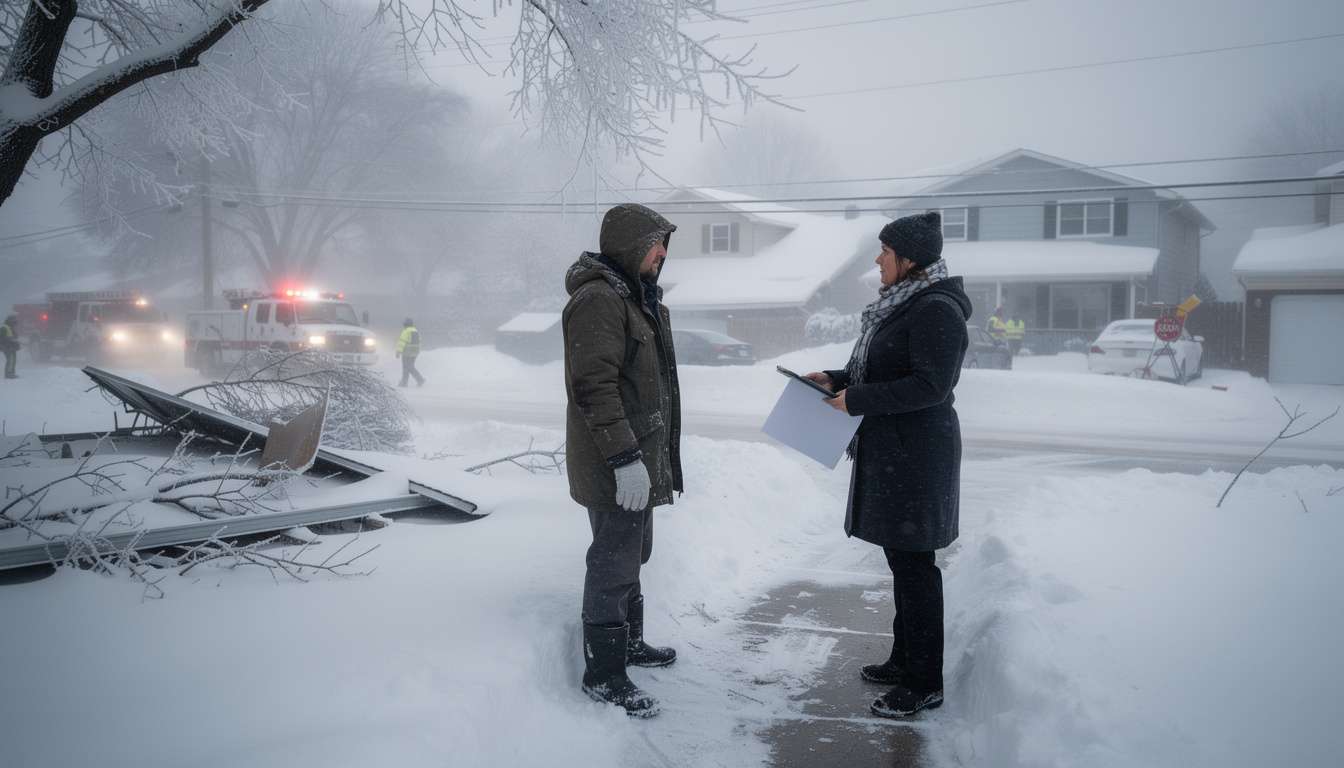
Evaluating weather damage insurance choices during a sweeping U.S. winter storm, understand coverage limits, exclusions, and protection against severe winter losses.
A sweeping U.S. winter storm can expose serious weaknesses in insurance coverage. Heavy snow, ice storms, freezing rain, and extreme cold affect homes, businesses, vehicles, and infrastructure simultaneously. In these conditions, weather damage insurance becomes a critical financial safeguard. Choosing the right coverage before and after a major winter event can determine how quickly and effectively losses are absorbed.
This article examines how to evaluate weather damage insurance choices during a widespread U.S. winter storm and what policyholders should prioritize.
The Financial Impact of Major Winter Storms
Large winter storms often cause billions of dollars in damage across multiple states. Roof collapses, frozen pipes, power outages, and transportation shutdowns create cascading losses.
Weather damage insurance helps absorb these shocks, but coverage gaps frequently appear when claims are filed. Many policyholders assume winter damage is fully covered, only to discover exclusions, sub-limits, or high deductibles.
Evaluating insurance choices before a storm hits is the most effective way to limit exposure.
What Weather Damage Insurance Typically Covers
Weather damage insurance generally refers to property and casualty coverage that protects against losses caused by snow, ice, hail, wind, and freezing temperatures.
Standard property policies often cover direct physical damage from snow load, hail impact, and burst pipes caused by freezing. Water damage resulting from ice dams may also be covered, depending on policy terms.
However, coverage does not apply universally. Damage caused by gradual wear, poor maintenance, or failure to mitigate risk may be excluded. Understanding these distinctions is essential when evaluating weather damage insurance.
Snow, Ice, and Hail Exclusions to Watch For
Not all winter-related damage is treated equally under insurance policies.
Some policies include exclusions or limitations for ice accumulation, roof collapse thresholds, or hail damage below certain impact levels. Others apply separate deductibles for wind or storm-related claims.
Evaluating policy exclusions in advance helps prevent unexpected claim denials during a sweeping winter storm.
Coverage Limits and Replacement Costs Matter
During major winter storms, repair costs rise quickly due to labor shortages and material delays.
Weather damage insurance limits should reflect full replacement cost, not outdated valuations. Underinsured properties face significant out-of-pocket expenses when claim limits fall short of real rebuilding costs.
Policyholders should review limits regularly, especially in regions prone to severe winter weather.
Business Interruption and Weather Damage Insurance
For businesses, physical damage is only part of the risk.
Weather damage insurance that includes business interruption coverage can replace lost income when operations are suspended due to storm damage. This is especially important during widespread winter storms that affect entire regions.
Without business interruption protection, even a short closure can result in lasting financial strain.
Liability Risks During Winter Storm Conditions
Snow and ice increase the likelihood of injury claims.
Weather damage insurance combined with liability coverage protects against slip-and-fall accidents, falling ice, and debris-related injuries. Legal defense costs alone can be substantial, regardless of fault.
Evaluating liability limits is critical for businesses, landlords, and property owners in high-traffic areas.
Endorsements That Strengthen Weather Damage Insurance
Many winter storm losses require specific endorsements.
Flooding from snowmelt, sewer backups, power outage losses, and equipment breakdown caused by freezing may not be included in standard policies. Adding targeted endorsements can significantly improve protection during a sweeping winter storm.
These options should be evaluated well before winter weather intensifies.
Reviewing Insurance Choices After a Winter Storm
A major winter storm often serves as a stress test for insurance coverage.
After a claim, policyholders should reassess their weather damage insurance choices. Coverage gaps, delays, and uncovered losses provide valuable insight into necessary policy adjustments.
Insurance strategies should evolve alongside changing climate patterns and increasing storm severity.
Final Thoughts: Smart Evaluation Reduces Winter Risk
Weather damage insurance plays a central role in financial resilience during sweeping U.S. winter storms. Evaluating coverage carefully, understanding exclusions, and adjusting limits can significantly reduce long-term losses.
Severe winter weather is predictable. Financial outcomes do not have to be.
Proactive evaluation of weather damage insurance is the most effective way to protect assets, income, and stability when winter storms strike.