

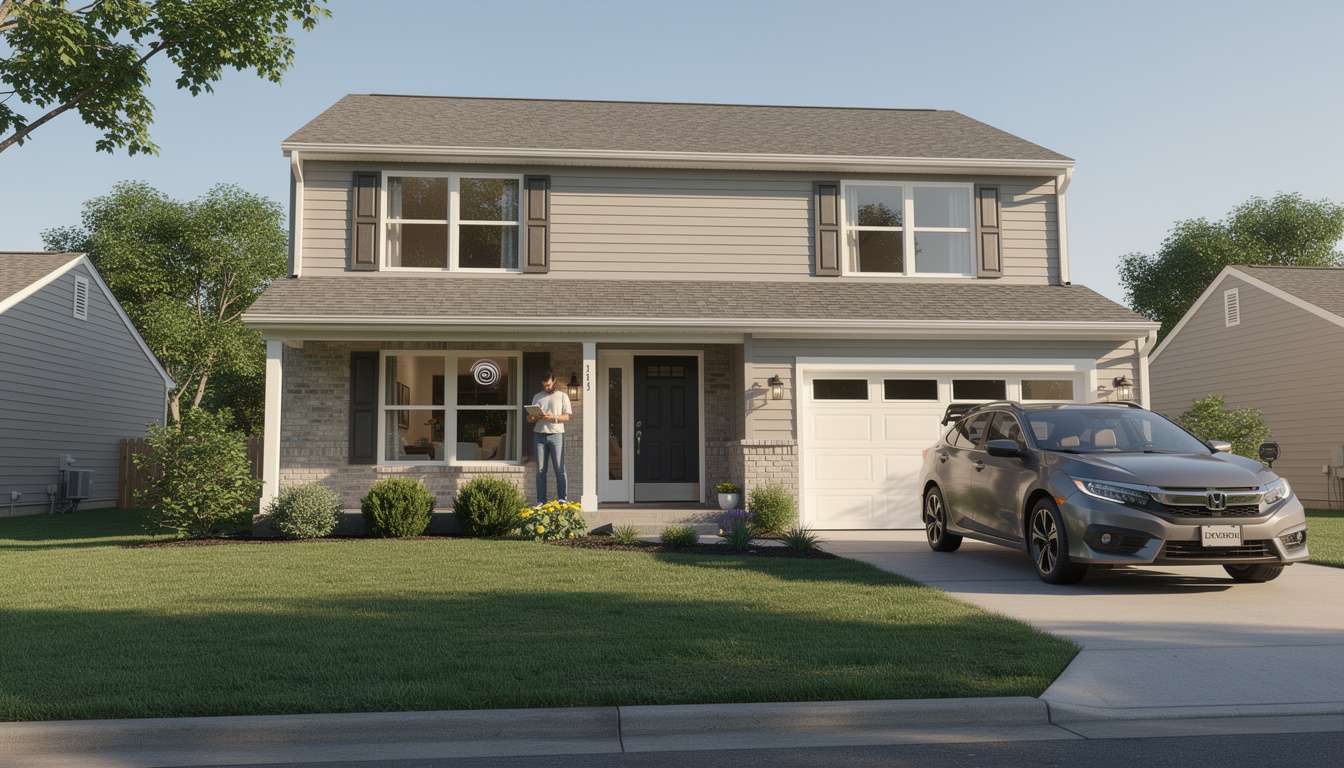
Insurance Tips most people skip can quietly weaken your Home Protection and Vehicle Insurance when you need them most. To make this practical, follow “Maya,” a homeowner who renovated her kitchen, started working remotely, and added a teen driver—then realized her Policy Renewal was on autopilot. The good news: a focused review can improve Coverage, lower Premiums, and reduce stressful Claims surprises.
Insurance Review Checklist That Protects Home And Vehicle Fast
Start with what changed since last year, not what your policy used to cover. AAA-style guidance is simple: families often renew automatically, but life moves—homes, cars, and budgets shift. That’s why this checklist is really Risk Management, not paperwork.
- Home changes: renovations, roof replacement, additions, new plumbing, smart leak sensors
- Life changes: marriage, divorce, new baby, relatives moving in or out
- High-value purchases: jewelry, watches, art, collectibles needing extra scheduling
- Work changes: remote work gear that may exceed standard limits
- Auto changes: new vehicle, teen driver, neighborhood move, new commute pattern
- Cost changes: rebuilding prices and repair labor rising in many regions
If you want a baseline before adjusting anything, compare your current setup to a dedicated guide like homeowners insurance coverage basics. The insight: updates aren’t optional—they’re how you avoid being “insured” but underfunded.
Policy Renewal Mistakes That Create Hidden Coverage Gaps
Maya assumed her annual Policy Renewal meant her insurer had “kept up” with her life. After a kitchen remodel and a new home office setup, her dwelling limit and personal property assumptions were outdated.
The most common gap is confusing the home’s purchase price with the cost to rebuild. Rebuild costs reflect materials and labor—especially after regional demand spikes—so the right dwelling limit is the one that can reconstruct the structure, not just match an old appraisal.
When weather is a factor in your area, you’ll want to align your deductibles and protections with realistic scenarios, using resources like weather damage insurance guidance. The takeaway: the policy that looked “fine” on a calm day can fail in a real loss.
Home Protection Upgrades That Can Lower Premiums
Some of the best Safety Measures do two jobs: they reduce risk and can unlock discounts. Insurers often reward upgrades that prevent large losses—especially water damage and break-ins—because those are frequent and expensive.
Maya installed a water-leak detection device after a neighbor’s pipe burst caused weeks of repairs. That single upgrade improved her home’s resilience and helped her negotiate better Premiums at renewal time. The key is documenting upgrades and asking your carrier to re-rate your policy.
Remote Work Coverage: The $2,500 Trap For Business Equipment
Many standard policies cap business-property reimbursement around $2,500 for work gear kept at home. That’s fine for a basic laptop, but it breaks quickly when you add a second monitor, dock, camera, microphone, and a backup drive.
Maya’s home office setup cost more than she thought—so she listed key items and confirmed what her policy would pay if there was theft or a power-surge loss. If you’re running a side business, it’s also worth understanding how commercial policies handle seasonal and property risks; a useful reference is business insurance for winter damage scenarios.
Small details decide big outcomes, especially when Claims are filed under time pressure. The insight: “working from home” is a lifestyle change that should echo in your insurance file.
Vehicle Insurance Checks That Prevent Expensive Claims
Your Vehicle Insurance should evolve with your driving reality. A new car, a teen driver, or even a different ZIP code can shift risk and pricing—and sometimes your liability limit no longer fits your assets and income.
Maya’s turning point was adding her 16-year-old to the policy. The premium increased, but the bigger issue was making sure liability limits and deductibles matched the family’s financial exposure. For deeper cost control ideas, see strategies to manage car insurance costs.
Deductibles And Liability Limits: The “Comfortable” Numbers That Backfire
Deductibles shouldn’t be chosen because they “feel affordable” on a quote page. They should be set based on what you can comfortably pay the same week an incident happens—while still covering rent/mortgage and essentials.
Liability is even more important: a serious accident can trigger medical bills, legal costs, and long negotiations. If your limits are low, you may end up paying out of pocket even though you were “covered.” The insight: the cheapest policy often becomes the most expensive mistake.
Driving patterns keep shifting—more people mix commuting, deliveries, and rideshare work. If you use your car to earn income, personal auto coverage may not apply the way you expect.
Check options tailored to these scenarios, especially if you’re active on platforms part-time, using rideshare insurance considerations as a starting point. This is practical Risk Management: aligning real usage with the right endorsements before a claim tests your policy language.
High-Value Items, Life Changes, And Financial Safety Nets
Insurance isn’t only about the house and car—it’s about protecting the life built around them. When families marry, separate, or welcome a child, household inventory and liability needs can change overnight.
Maya bought an engagement ring upgrade and inherited a small art piece from a relative. Both exceeded standard sub-limits, so she added scheduled items to avoid partial payouts. For a broader look at how coverage supports stability, explore insurance and financial security planning.
Travel Plans Can Expose Gaps You Don’t Expect
Even if this year’s focus is home and auto, travel can create ripple effects: trip cancellations, medical issues, or disruptions can strain savings and complicate logistics. If you’re planning winter escapes or family trips, it’s worth aligning protections ahead of time.
Helpful reads include travel disruption and safety coverage and destination-specific considerations like Caribbean vacation insurance tips. The insight: your budget is one system—one surprise expense can impact everything else you’re insuring.
How often should I review my home and auto coverage?
At least once a year before Policy Renewal, and immediately after major changes like renovations, a move, adding a teen driver, or buying high-value items. A quick annual review is the simplest form of Risk Management.
Is rebuilding cost really different from my home’s market value?
Yes. Coverage for the dwelling should reflect current rebuild costs (materials and labor), not what you paid or what you could sell for. This is one of the most common reasons Claims come up short.
Do I need extra coverage for a home office?
Often, yes. Many policies limit business equipment reimbursement to about $2,500, which may not cover a full setup. List your equipment, confirm limits, and ask about endorsements so Home Protection matches how you actually live and work.
What’s the smartest way to choose deductibles?
Pick Deductibles you can pay quickly without tapping emergency savings meant for rent/mortgage and essentials. Then balance that with Premiums so you’re not overpaying monthly for a deductible you could comfortably handle.
Not always. Personal Vehicle Insurance may exclude commercial use. If you drive for rideshare or delivery apps, confirm endorsements or a rideshare policy so Coverage matches real driving activity.